
blog
This Must Be the Place:
Why Fun Is Finding Its Way Back To Hospitality
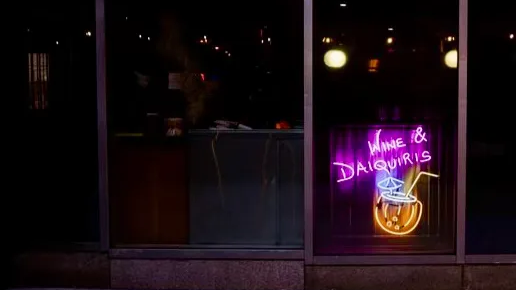
In cities around the world, dining out has become more expensive, more fraught, and more loaded with meaning. Economic pressure is visible. Expectations are higher. The act of going out carries more weight than it used to. And yet, in some rooms, something unexpected is happening. The tone is lighter. The rules feel looser.
People are having fun again.
The risk is not that AI replaces our best work. The risk is that it floods the space where our average work already lives, making it harder to justify the time, cost, and patience required to make or consume anything better. So the real question isn’t whether AI will degrade culture. That assumes culture was being protected.
From Taste To Tolerance: How We Learned To Live With "Meh"
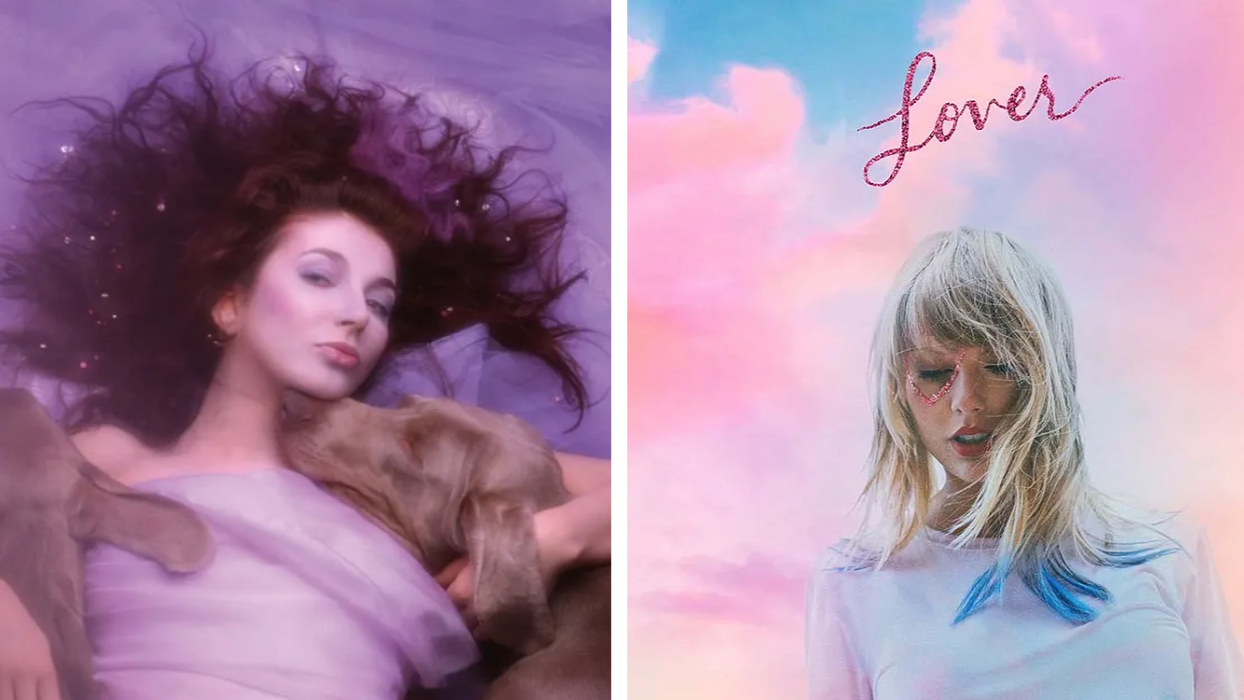
Dying On That Hill: In Defence of Kate Bush, Taylor Swift, and Not Choosing Sides
A healthy culture isn’t one where everyone agrees on what is “good.” It’s one where we can disagree without treating other people’s loves as evidence of their ignorance. It’s one where we can hold standards without weaponising them. It’s one where we can celebrate without needing a scapegoat.
At its core, the version of hospitality that matters most to me is the one that never needs to be remembered by anyone other than the person it was meant for. It doesn’t need an audience. It doesn’t need to live beyond the moment. It doesn’t need to be mythologised or evangelised afterwards. Somewhere along the way, the work shifted from paying attention to being seen. From noticing the person in front of you to anticipating how the moment might be received beyond the room. From care as a practice to care as a stunt.
Real Hospitality Isn’t a Stunt
Today, a creator with a phone can teach more people about food and how to cook than most of the world’s most famous chefs ever have. Millions of people now grow up learning from feeds, not from dining rooms. That doesn’t diminish restaurants. Don’t come at me. My career makes that clear enough. I’ve spent the past decade working in and around kitchens with some of the most gifted creative minds in the world. But it fundamentally rearranges the map of influence. And that makes people uneasy. Understandably.
Who Gets to Be a “Real” Chef Now?
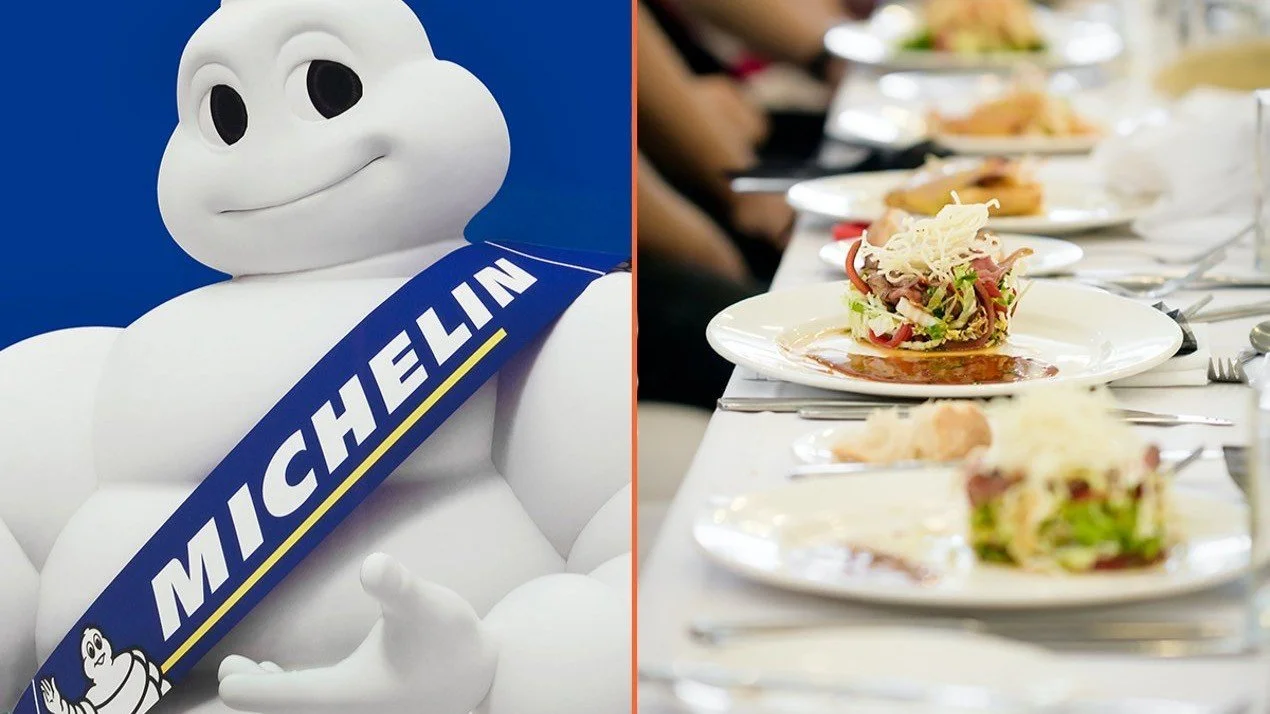
The conventional wisdom is that Michelin would do exactly what its supporters claim: put Australian restaurants on the list of places "worth a detour" and even "worth a special journey", attract high-value travellers, fill dining rooms, and give our chefs the global recognition they deserve. It’s a tidy narrative: a single, prestigious symbol that tells the world our food is worth travelling for. But what if, just what if, it wasn’t all it was stacked up to be?
Who Really Wins When Michelin Comes to Town?
For years, platforms made restaurants pay to play. Now those same platforms are paying restaurants to stay. US-owned tech giants are treating Australia's top restaurants like the most sought-after guests at the party, offering them cold, hard cash, and sometimes lots of it. Restaurants are being bid over like free agent athletes, and honestly, it’s about time they got some leverage.
The Bidding War For Australia's Restaurants

The Pop-Up Economy:
Why Brands Are Betting on Real-World Moments
The experience economy isn't just thriving because we're becoming tired of digital. It is thriving because we're increasingly seeing the limitation of digital and social. Connection doesn't come from a stream, like, or share. It's built through shared moments that mean something. And increasingly, it is brands that are creating and curating moments that stay with us.
Critiquing The Critics:
Rediscovering the Power of Recommendation
It’s not that all modern criticism is bad—there’s plenty of excellent work out there. But the system rewards extremes, making criticism feel louder and less meaningful. I am not suggesting we should abandon criticism. I am suggesting however that we should redefine it. We need fewer scores and rankings and more measured reflection. We need more celebration.
The Price of Play:
Why Musicians Are Having To Pay To Reach Their Own Fans
If we don’t act, the music industry will continue to repeat itself, remixing the same structures under a shinier, more algorithmic veneer. In doing so, it risks collapsing into an algorithmic echo chamber—where only the loudest, most profitable voices are heard, and the rich diversity of our local music community is drowned out.
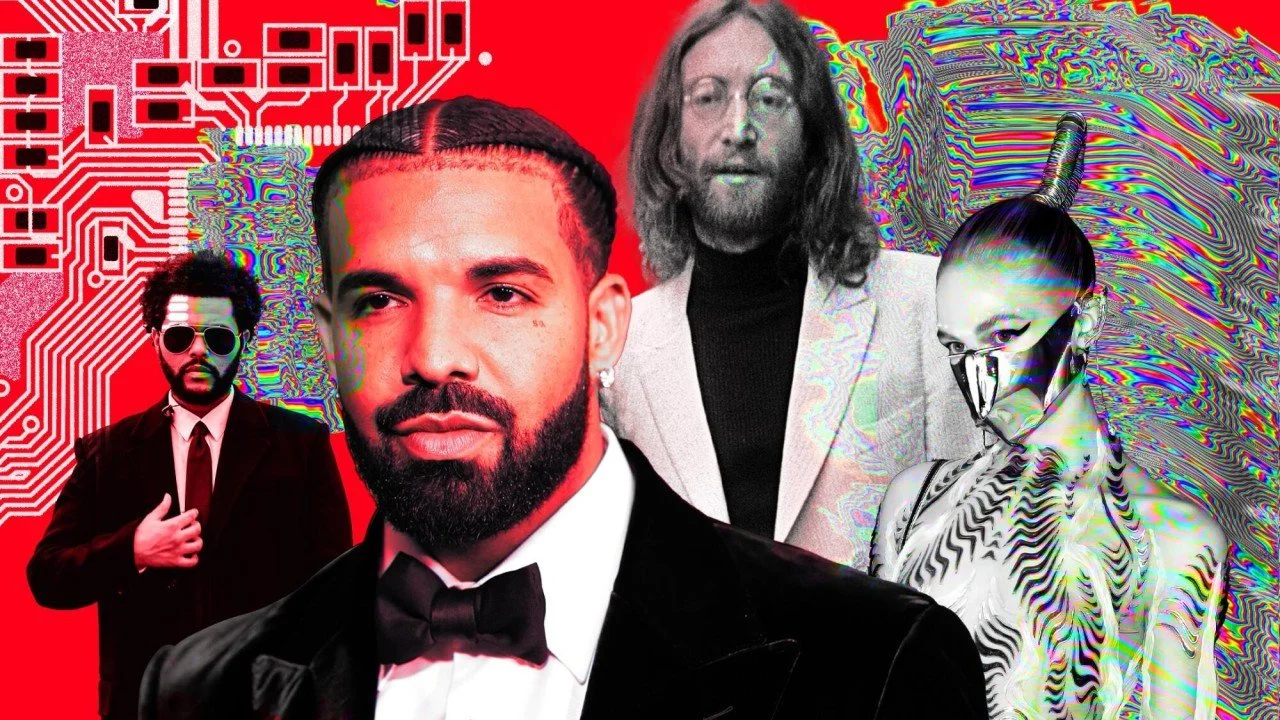
Creativity doesn’t come from thin air. It’s the result of countless hours of human effort, skill, and imagination. To argue that AI should get a free pass is not only a dismissal of creators but a dangerous precedent that undermines the very system that makes creativity sustainable. If we want to encourage innovation—human and machine alike—it starts with valuing the people who create.
AI Isn’t Inspired—It’s Exploiting Creators on an Industrial Scale
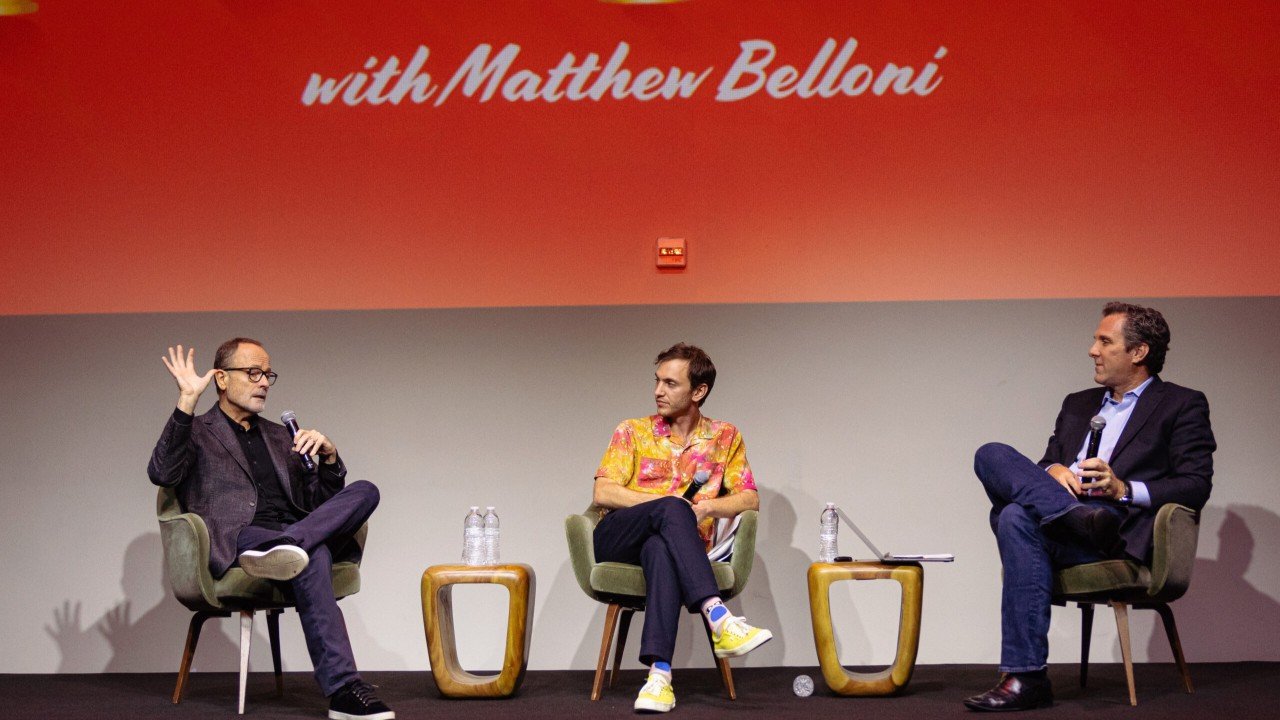
In trying so hard to give audiences what they want, we risk depriving them of the very thing they love about art—the surprise, the awe, the moment when something entirely new unfolds onscreen or on the page. The industry must rediscover those instincts, the willingness to take the occasional leap of faith. Because while data might guide us to the probable, only creativity can take us somewhere we never expected to go.
Betting on the Unpredictable, or: Why We Need to Stop Worrying About the Algorithm and Reclaim Our Creative Spark
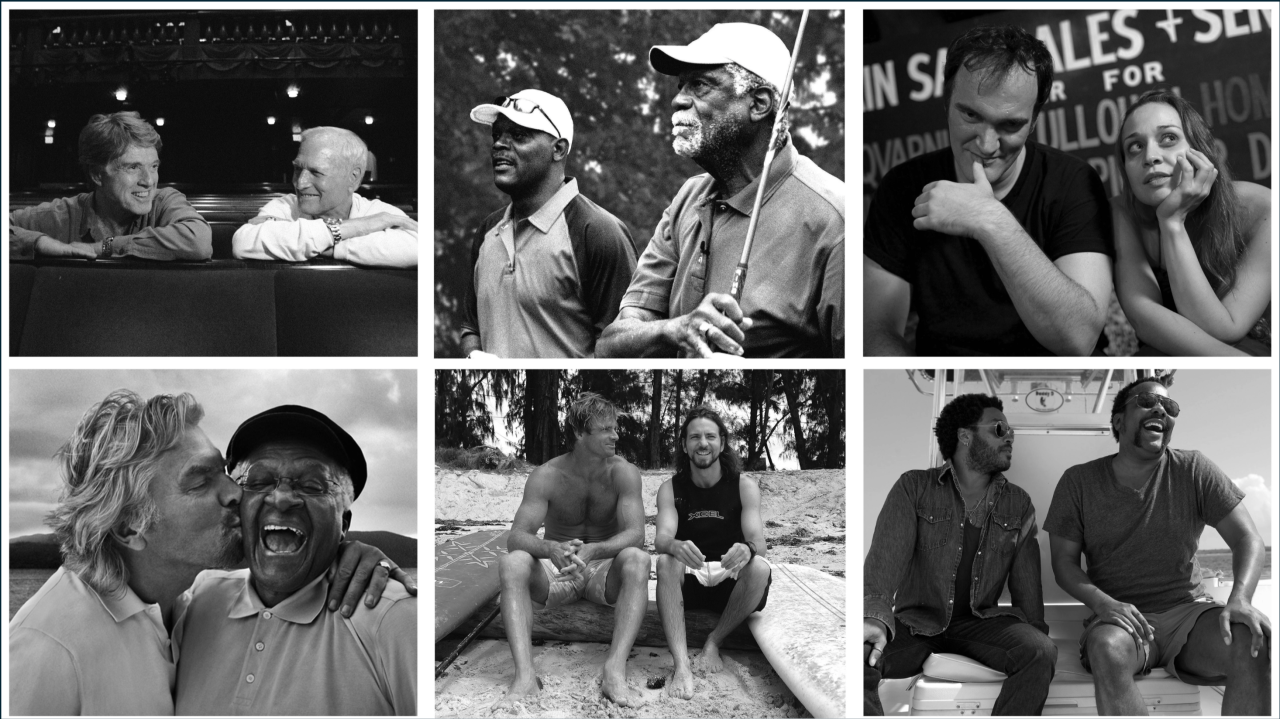
In some ways, Iconoclasts anticipated today’s landscape of content funding and brand partnerships. It arrived long before terms like “content studio” or “native advertising” became commonplace. But where today’s branded content can sometimes feel algorithmically engineered or written by a brand's communications team, Iconoclasts took an artisanal approach. It was made with a kind of reverence—for the subjects, for the stories, for the viewer—that’s often sacrificed in the name of metrics. In my mind, the show feels just as relevant today because it was about the exchange of ideas and not the business of selling products.
A Blueprint For Bravery: What Made Iconoclasts Iconoclastic

Media companies may think they can use AI to replace their creative talent. Sorry, to “develop cutting-edge, capital-efficient content creation”. But eventually, so too perhaps will Big Tech use AI to replace those same media companies. By allowing AI to encroach on the creative process without proper safeguards, they’re undermining not just creators but their own long-term viability. The fox is in the henhouse, and it’s only a matter of time before…well, you know.
The Fox Is In The Hen House: Big Media's AI Gamble
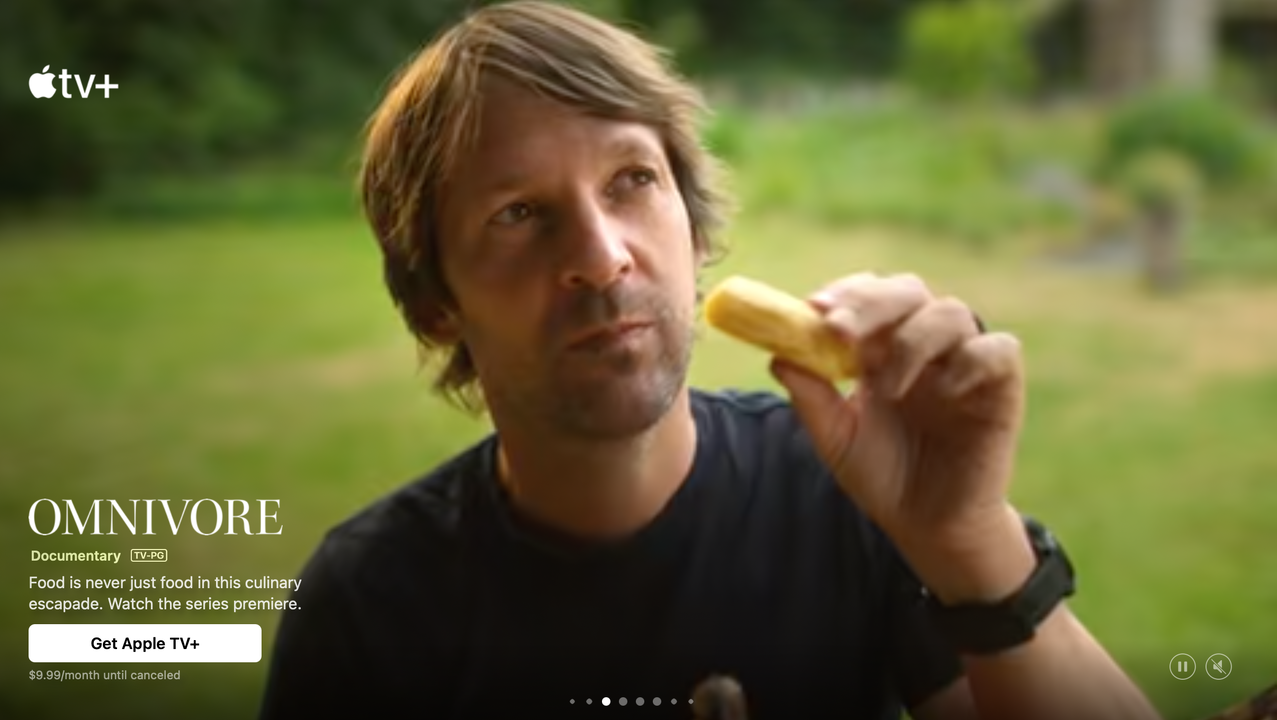
I hope you will take a look. And I really hope you will like it. What you will see is over ten years in the making. In fact, what you will see is something that I first heard about when I first met Rene in 2013, where he shared an idea to create the "Planet Earth of Food" and to look at the world through food with the same curiosity and wonder that David Attenborough looked at it through the animal or plant kingdom. We are extremely proud and excited to be sharing it with you. And we are extremely grateful to a village of extraordinary people around the world that have helped us realise it.
We Launched A Television Show

Using last week's news that the The New York Times was suing OpenAI and Microsoft for copyright infringement to explore how Big Tech's relentless pursuit of innovation and progress is once again testing the boundaries of intellectual property rights and jeopardising the work and future artists and creators around the world.
Big Tech's Tightrope
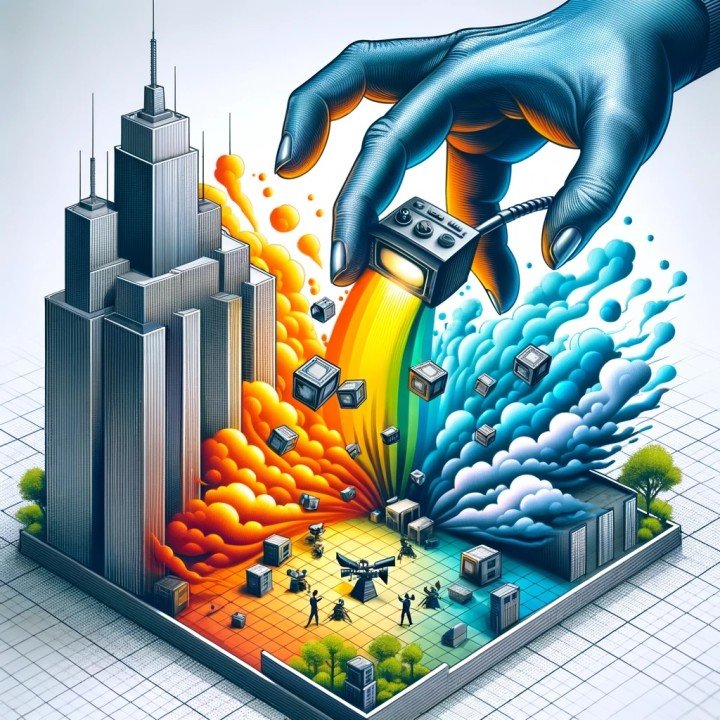
As All3Media, one of the world's leading independent production groups hangs a 'for sale' sign, the usual suspects – including competitors and private equity firms – have lined up to kick the tyres. But is there a less expected, yet potentially game-changing bidder that could and perhaps should enter the fray? A year end proposition (definitely not a prediction).
Blurred Lines: The Case for a Marketing-Entertainment Powerhouse

Despite yesterday's announced restructuring and cost cutting, I would argue that the company needs to return to its roots, with the bold, innovative, and disruptive spirit that defined it for so many years. Maybe even taking a note from an old DVD rental business.
Spotify is screwed…or is it?

'The Ad' isn't just another commercial, or even a demonstration of the growing power of AI platforms; it's a magnifying glass on our collective anxieties and hopes about artificial intelligence. The core question isn't just about the survival of industries like film, television, music, and advertising, but about the essence of creativity itself in the AI era.
A very big Ad.

At a time when brand owners and marketing chiefs continue to ask their teams and agencies for their "music strategy" or "sports strategy", a culinary strategy is not just another option, but arguably a necessity for brands aiming to build deeper, more meaningful connections with their customers.